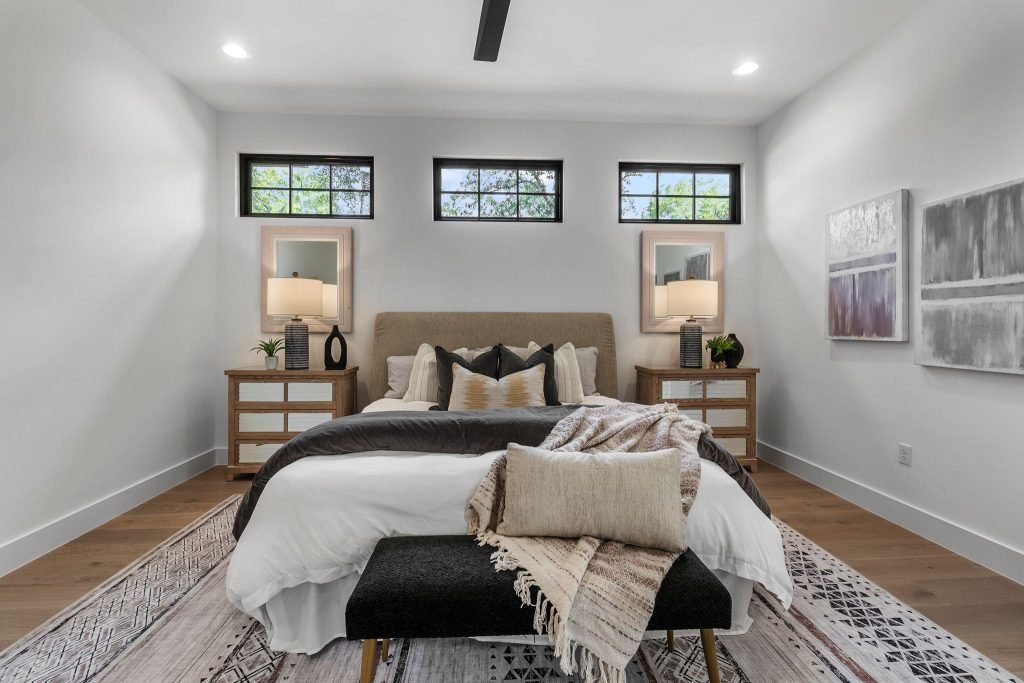

Small rooms can feel like a design challenge, but they do not have to be a limitation. With the right combination of color, furniture selection, lighting, and layout choices, even the most compact space can feel open, airy, and surprisingly spacious. You do not need to hire a contractor or break the bank. What you need is a thoughtful approach and a willingness to rethink how you use and perceive space.
Here is a comprehensive look at the most effective strategies for making any room feel larger without any structural changes.
1. Choose Light, Neutral Colors
Color is one of the most powerful tools available to anyone trying to make a room feel bigger. Light colors reflect more natural and artificial light than dark colors, which creates a sense of openness and depth. Whites, creams, light grays, and soft pastels are all excellent choices for walls, ceilings, and even floors in a small room.
If you find an all-white room too stark, consider using a soft, warm off-white or a pale greige, which is a blend of gray and beige. These tones are sophisticated and comfortable while still maximizing the sense of space. Painting the ceiling slightly lighter than the walls can also create the illusion of extra height.
2. Use Mirrors Strategically
Mirrors are one of the oldest tricks in the interior designer’s toolkit, and for good reason. They reflect light, create depth, and can effectively double the visual size of a room. A large mirror positioned on a main wall can make a room feel almost twice as big as it actually is.
Design Tip: For maximum effect, place mirrors opposite windows so that they reflect natural light and the outdoor view. In narrow hallways and small entryways, a full-length mirror creates instant depth.
Mirrored furniture and reflective surfaces like metallic accents and glass tabletops can achieve a similar effect on a smaller scale.
3. Choose the Right Furniture Scale
One of the most common mistakes in small rooms is using furniture that is too large for the space. Oversized sofas, bulky wardrobes, and heavy wooden beds can quickly overwhelm a small room, making it feel cramped and difficult to move through.

Choose furniture that is scaled appropriately for the room. Look for sofas and chairs with visible legs, which allow the eye to travel beneath them and create a sense of lightness. Use a bed frame with a lower profile. Choose a dining table that is the right size for the number of people who regularly use it rather than one that could seat twice as many.
Multi-functional furniture is also a smart choice in small spaces. A storage ottoman serves as both seating and storage. A sofa bed allows a living room to double as a guest room. A fold-down wall desk creates a home office that disappears when not in use.
4. Maximize Vertical Space
When floor space is limited, going vertical is the answer. Installing shelves high up on the walls draws the eye upward and creates additional storage and display space without taking up any floor area. Tall bookcases and wardrobes that reach close to the ceiling make the most of available space while also making the room feel taller.
Floor-to-ceiling curtains are another excellent way to maximize the sense of height. Hanging curtain rods as close to the ceiling as possible and choosing curtains that fall all the way to the floor creates the impression of much taller windows and a grander, more spacious room.
5. Declutter Relentlessly
No design trick in the world can make a cluttered room feel spacious. Clutter creates visual noise, makes spaces feel smaller and more chaotic, and prevents any sense of calm or openness. Before trying any other strategy, take a serious look at what is in the room and eliminate everything that does not need to be there.
Invest in smart storage solutions that keep everyday items out of sight. Under-bed storage containers, built-in shelving, storage benches, and ottomans with hidden compartments all help keep a room functional without adding to the visual clutter. The less that is visible, the larger the room will feel.
6. Get Lighting Right
Poor lighting makes any room feel smaller and more oppressive. Relying on a single overhead light source creates flat, unflattering illumination that flattens the room visually. A layered lighting approach, using a combination of ambient, task, and accent lighting, creates depth and dimension that makes the room feel larger and more interesting.
In small rooms, recessed lighting is ideal because it does not take up any visual space. If recessed lights are not an option, choose fixtures that sit close to the ceiling rather than hanging pendants that reduce visual headroom. Wall sconces add depth and dimension without cluttering tabletop or floor space.
7. Keep Flooring Consistent
Using the same flooring material throughout multiple adjoining spaces creates a sense of flow and continuity that makes the overall area feel larger. When you use different flooring types in each room, it creates visual stops that chop the space up and make each area feel more confined.

If you are decorating a single room, choose large-format tiles or wide-plank flooring. Bigger individual pieces mean fewer grout lines or seams, which creates a cleaner, more expansive look. Light wood tones and pale tile colors work particularly well in small spaces.
8. Simplify Your Decor
In small spaces, less is genuinely more. A few carefully chosen, well-placed decorative items create a far more refined and spacious-feeling room than a collection of many small objects scattered across surfaces. Choose pieces that you truly love and that serve a purpose, whether functional or purely aesthetic.
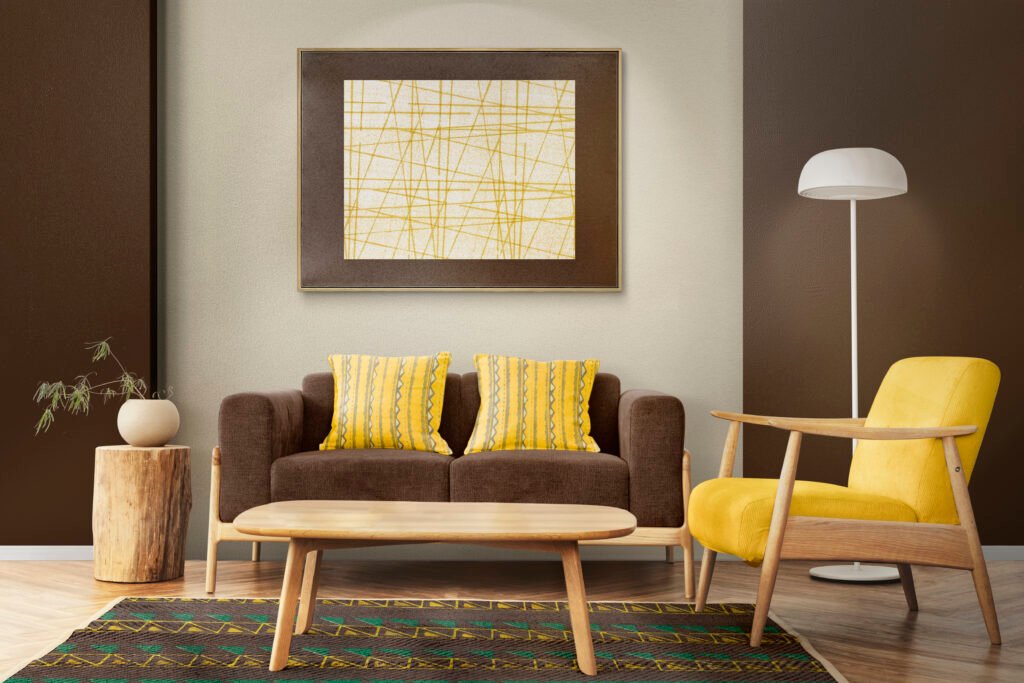
When selecting art for small rooms, consider one larger piece rather than a collection of smaller frames. A single large piece makes a confident statement and adds visual interest without making the walls feel cluttered and busy. Keep surfaces clean and resist the temptation to fill every available corner.
Conclusion
Making a room feel larger is largely a matter of creating the conditions for light, space, and flow. With these strategies in place, even the smallest room can become a comfortable, beautiful, and surprisingly spacious-feeling place to be.