
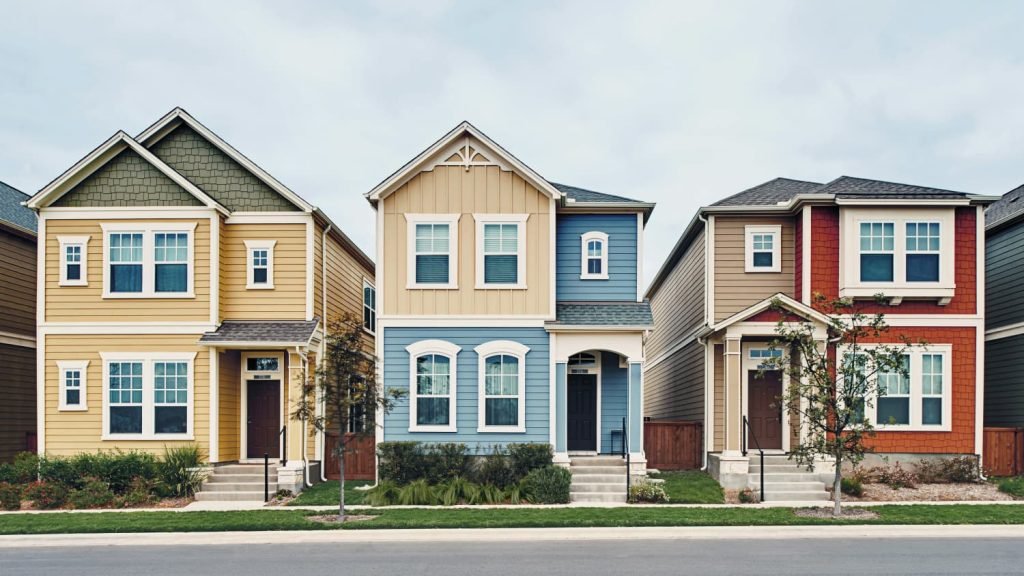

Buying a home is one of the most significant investments you will ever make. Most people spend a lot of time thinking about the size of the house, the number of bedrooms, and the kitchen layout. But experienced homeowners and real estate professionals will tell you that the neighborhood you choose matters just as much as the house itself.
A beautiful home in the wrong location can lead to years of regret, while a modest home in a great neighborhood can bring lasting happiness and excellent long-term value.
Choosing the right neighborhood takes research, patience, and a clear understanding of your own lifestyle needs. This guide will walk you through the key factors to consider when evaluating neighborhoods before you sign on the dotted line.
1. Start With Your Daily Life
The best place to begin is with your own daily routine. Think about where you work, where your children go to school, and where you spend most of your free time. A neighborhood might look perfect on paper but if your daily commute becomes two hours each way, your quality of life will suffer quickly.
Map out the distance from any home you are considering to your:
- Workplace
- Gym or fitness center
- Preferred grocery store
- Other places you visit regularly
Pro Tip: Use tools like Google Maps to check commute times during peak hours, not just off-peak. Traffic patterns vary greatly depending on the time of day, and what looks like a 20-minute drive can easily become 45 minutes during rush hour.
2. Research School Quality
Even if you do not have children, school quality matters. Neighborhoods with strong school districts tend to hold their property values better over time and attract more stable communities. If you do have children, the importance is obvious. Look up school ratings and reviews online, and if possible, visit local schools in person to get a real feel for the environment.

It is also worth noting that school district boundaries can sometimes be unpredictable. A street on one side of a block might fall in a highly rated district, while the other side does not. Always verify the exact school assignments for any property you are seriously considering.
3. Walk Around at Different Times
One of the best things you can do when evaluating a neighborhood is to visit it at multiple times of day and on different days of the week. A quiet Sunday afternoon can paint a very different picture from a Friday night or a busy Monday morning.
When you visit, pay attention to:
- Foot traffic and noise levels
- How well properties and yards are maintained
- Whether neighbors seem friendly and engaged with their community
- Whether local parks, cafes, and shops are busy and well-kept
A neighborhood that feels alive and active is usually one where residents take pride in where they live.
4. Look Into Safety and Crime Rates
Safety is a top priority for most home buyers, and it is important to do thorough research rather than relying on gut feelings or assumptions. Look up publicly available crime statistics for any area you are considering. Many cities have online portals where you can check crime reports by neighborhood or even by specific street.
Keep in mind that crime statistics do not tell the whole story. Some areas may have higher reported crime simply because residents are more likely to call the police, while other areas with genuinely higher risks may have lower reporting rates.
Tip: Talking to current residents of the neighborhood is one of the best ways to get an honest picture of how safe an area truly feels day to day.
5. Check for Local Amenities
The availability of local amenities plays a big role in day-to-day quality of life. Think about what matters most to you. Some people prioritize being within walking distance of restaurants and entertainment. Others care more about proximity to hiking trails, parks, or open green spaces.

Consider the proximity and quality of:
- Lifestyle: Restaurants, entertainment, cafes, and shopping centers.
- Outdoors: Hiking trails, parks, playgrounds, and open green spaces.
- Essentials: Reputable hospitals, clinics, and emergency services.
- Transit: Public transportation access (bus, train, or metro lines).
6. Evaluate Future Development Plans
A neighborhood that feels perfect right now may look very different in five years. Check with local planning authorities or the city’s official website to find out about any approved or proposed developments in the area.
- The Risks: A new commercial center nearby could bring added convenience but also increased traffic and noise. A large residential development could affect property values in ways that are hard to predict.
- The Rewards: On the positive side, planned infrastructure improvements like new public transit lines, road upgrades, or park developments can significantly increase the value of surrounding properties. Getting ahead of such improvements is one of the smartest moves a buyer can make.
7. Consider the Age and Condition of the Neighborhood
When choosing an area, you’ll often have to decide between established charm and modern convenience:
| Neighborhood Type | Potential Pros | Potential Cons |
|---|---|---|
| Older / Established | More character, mature trees, larger lots. | Aging infrastructure, potential for hidden maintenance costs. |
| Newer Developments | Updated infrastructure, modern amenities, strong HOAs. | May lack immediate character or established green spaces. |
Pay attention to the general condition of streets, sidewalks, and public spaces. Crumbling roads and neglected parks can be a sign of underinvestment by local authorities. Neither type is inherently better—it comes down to what you value.
8. Talk to the Neighbors
There is no better source of information about a neighborhood than the people who actually live there. Knock on a few doors or strike up a conversation when you see someone outside. Ask them what they love about the area and what they wish were different.

Good questions to ask:
- How is the parking and traffic during the week?
- Are there any issues with noise or local events?
- How engaged is the community?
- Do you feel the area is improving or declining?
Most people are happy to talk about where they live, and you will often learn things that no website or data source would ever reveal.
9. Look at Property Value Trends
Before committing to a neighborhood, research how property values have moved over the past five to ten years. Are homes in the area appreciating steadily? Have values been flat or declining? This information is available through real estate platforms and local property records.
- Steady Appreciation: A sign of a healthy, desirable neighborhood where demand has been consistent.
- Stagnant or Dropping Values: A major warning sign. Find out why before moving forward. Economic changes, declining school quality, increased crime, or a major employer leaving the area can all have lasting negative effects.
Conclusion: Trust Your Instincts, But Back Them Up With Data
Ultimately, choosing a neighborhood involves both logic and feeling. After doing all your research, you should feel genuinely comfortable and excited about the area. If something feels off even after the numbers look good, pay attention to that instinct. At the same time, do not let emotions override important warning signs that your research uncovers.
A good neighborhood is one where you can see yourself building a life, where you feel safe, where your daily needs are met, and where your investment is likely to grow over time. Take the time to do it right, and you will be grateful for years to come.