You know that feeling when you pull up to a house and just… know? Before you’ve even opened the car door, you’ve already started forming an opinion about what’s inside. Buyers do this constantly, whether they realize it or not, and it’s exactly why using curb appeal to increase home value works so reliably as a selling strategy. The best part is you don’t need a huge budget to pull it off. A few smart, well-placed upgrades can shift how a home is perceived, and that perception often translates directly into dollars at closing.
If you’re prepping a house to sell, or just thinking long-term about your investment, here’s an honest look at which exterior upgrades are worth doing and which ones are mostly hype.
First Impressions Really Are That Powerful
Agents have talked about this for decades, but it’s worth saying plainly: buyers judge fast. If the lawn looks neglected or the paint is peeling near the entryway, people start wondering what else has been ignored. It’s not really a conscious decision, it just happens.
That’s the whole logic behind curb appeal to increase home value. It’s less about looking pretty and more about building trust before anyone steps inside. A house that looks cared for on the outside makes buyers feel more confident in their offer, and less likely to nickel and dime you during negotiations.
Landscaping Gives You the Most Bang for Your Buck
This is usually where people should start, mostly because it’s cheap and the payoff is immediate. You don’t need a fancy garden plan or anything elaborate. Honestly, simple and tidy beats complicated almost every time.
A few things worth tackling:
- Fresh mulch in the beds, it instantly looks finished
- Hedges and trees trimmed back so they frame the house instead of swallowing it
- Plantings near the front door that feel balanced, not random
- A lawn that’s mowed and edged, even if it’s not perfect
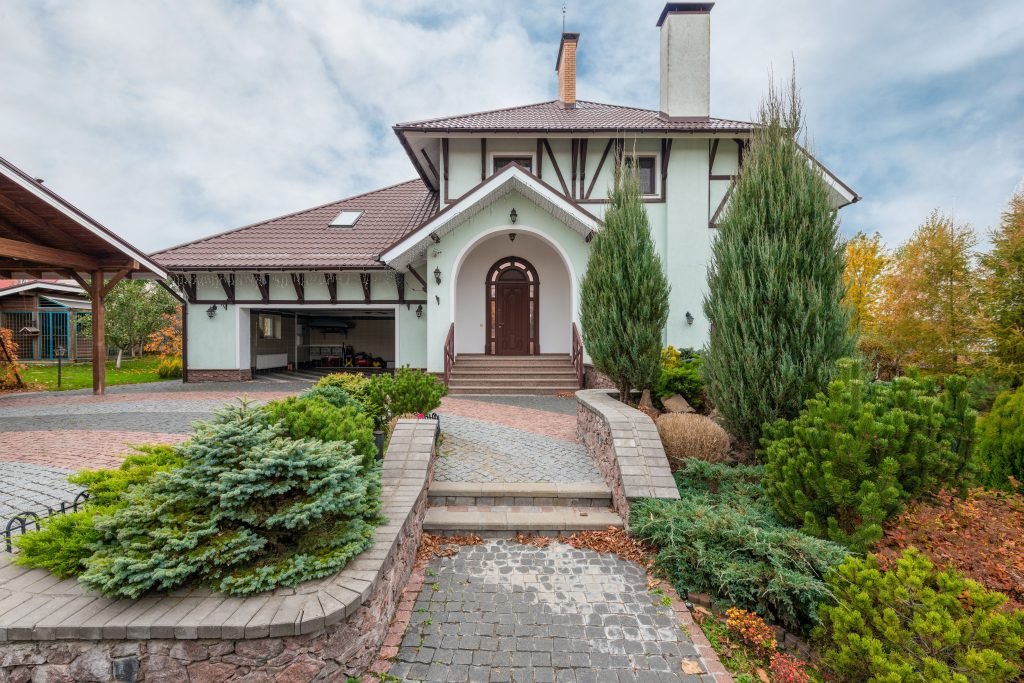
Agents bring up landscaping constantly when talking about curb appeal to increase home value, and for good reason. A weekend of weeding and a few bags of mulch can genuinely change how a buyer feels about the whole property.
That Front Door Matters More Than You’d Think
The front door is basically the centerpiece of your home’s face, and it gets ignored way too often. A faded, scratched up door can drag down a house that’s otherwise in solid shape.
Painting it a confident color (navy, a deep red, maybe forest green) tends to land well with buyers. It reads as intentional rather than tired. Add new hardware, swap in a clean welcome mat, maybe a couple potted plants flanking the entry, and suddenly the whole front of the house feels warmer.
This project usually costs less than a couple hundred bucks, but it’s one of the most talked about ways to apply curb appeal to increase home value without touching your savings account.
Don’t Ignore the Siding and Paint
If your siding is chipped, faded, or just dirty looking, deal with it before listing. Buyers notice this stuff almost instantly, and it can make even a recently updated interior feel like an afterthought.
You don’t always need a full repaint. Sometimes a good power wash does most of the work. Other times, touching up the trim, window frames, and the base of the house is enough to make everything look fresh again without the cost of redoing the whole exterior.
Lighting Is Underrated
People skip lighting more than they should. It’s not just functional, it adds depth and warmth, especially for evening showings or listing photos shot at dusk when the light gets soft and flattering.
Simple stuff like pathway lights, a new porch fixture, or even a nice house number plaque can do more than you’d expect. A lot of sellers lean on curb appeal to increase home value through lighting specifically because it’s quick, affordable, and shows up well in photos, which matters more than ever since most buyers start their search online.
Walkways and Driveways Tell a Story Too
Cracked concrete or an oil stained driveway can undercut everything else you’ve fixed. And buyers walk this path before they even reach your beautifully painted front door, so it’s one of the first physical things they interact with.
If a full replacement isn’t realistic right now, try:
- Pressure washing to knock out stains
- Filling in cracks so they’re less obvious
- Adding a simple brick or stone edge along the walkway
- Lining the path with a few potted plants for visual interest
None of this is expensive, but it quietly reinforces the same message: this home has been taken care of.
The Roof and Gutters Quietly Matter
It’s easy to forget about the roof when you’re thinking about curb appeal, but trained buyers (and their inspectors) catch this stuff fast. Missing shingles, sagging gutters, moss creeping along the roofline, these things suggest deferred maintenance, and that often leads to lower offers or requests for repair credits down the line.
Cleaning out gutters, swapping a few damaged shingles, and making sure downspouts are actually directing water away from the foundation are small jobs that protect both the look of the house and its structural health long term.
The Garage Door Deserves More Credit
This one gets overlooked constantly, even though the garage door takes up a huge chunk of most home facades. An old, dented, or outdated garage door can make an otherwise updated house look stuck in time.
Repainting or replacing it tends to deliver a surprisingly strong return given how contained the project is. Because it’s so visible, the impact feels bigger than the actual cost.
Small Touches That Quietly Add Up
Beyond the bigger projects, there are little things that round out the overall impression:
- Windows that are actually clean, not just rinsed off
- A mailbox that’s painted or pressure washed
- House numbers that are visible and not falling off the wall
- A simple wreath or some potted flowers near the door
None of these cost much, but together they reinforce that someone actually lives here and takes care of the place.
Putting It All Together
The real strategy behind curb appeal to increase home value isn’t about flashy renovations or big construction projects. It’s about handling the small, visible stuff that shapes how a buyer feels the second they arrive. Landscaping, a refreshed door, clean siding, better lighting, and basic upkeep on the roof and driveway all play into how a home is perceived, and that perception often shows up directly in the final offer.
If your renovation budget is tight, these are the projects worth prioritizing first. A buyer who feels good the moment they pull into the driveway is far more likely to feel good about the rest of the house too, and that good feeling tends to turn into a stronger number on the contract.