If you’re getting ready to sell, you’ve probably thought a lot about your asking price. What most people don’t think about, at least not until it’s too late, is everything else that eats into that number before the money ever lands in their bank account. The cost to sell a house tends to sneak up on people, and it’s usually a lot more than the quick math they did in their head when they first decided to list.
Let’s walk through where the money actually goes.
The Real Number Behind a Home Sale
Here’s the part that surprises most sellers: between commissions, closing costs, repairs, and all the smaller fees along the way, you can expect to hand over somewhere between 8% and 10% of your sale price. On a $400,000 home, that’s $32,000 to $40,000 gone before you’ve even started thinking about your next mortgage or your moving truck. The exact cost to sell a house depends on your state, your home’s condition, and how you choose to sell it, but a handful of expenses show up in almost every single deal.
Agent Commissions Are Still the Biggest Line Item
For most sellers, the agent’s commission is the single largest expense by far. It’s traditionally been 5% to 6% of the sale price, split between your agent and the buyer’s agent. On a $350,000 sale, that’s $17,500 to $21,000 walking out the door. Things have loosened up a bit in recent years, with more room to negotiate rates or go with a flat-fee broker, but for the vast majority of people, commission is still the heaviest hit when it comes to the cost to sell a house.
Closing Costs Add Up Faster Than You’d Think
Once you get past commission, there’s a whole separate stack of closing costs waiting for you, usually 1% to 3% of the sale price. Title insurance, escrow fees, notary charges, and transfer taxes all fall into this bucket. Transfer taxes in particular can be brutal depending on where you live, since some counties charge a percentage of the sale price just to record the change in ownership. It’s worth looking into your local rules well before closing day, because this piece of the cost to sell a house has a way of catching people off guard.
Repairs You Didn’t Plan For
Buyers notice everything. The chipped paint, the carpet that’s seen better days, the faucet that’s been dripping for two years. A pre-listing inspection often turns up a list of small fixes that can range from a couple hundred dollars to several thousand, especially if something bigger like a roof or electrical panel needs attention. You could skip the repairs, sure, but that usually shows up as a lower offer or buyers walking away entirely. Either way, it factors into your real cost to sell a house, whether you pay for it now or take the hit later.
Staging and Photos Matter More Than People Expect
A house that’s staged and photographed well tends to sell faster and for more money, but none of that comes free. Staging can run anywhere from $500 for a light refresh to a few thousand dollars if the place is empty and needs furniture brought in. Professional photos, video walkthroughs, and drone shots are pretty much expected now in most markets, and those typically land between $150 and $500. None of this is the biggest expense on the list, but it’s real money, and it belongs in your math when you’re figuring out the full cost to sell a house.
Inspections, Appraisals, and the Negotiations That Follow
Even though buyers almost always order their own inspection, plenty of sellers get one done ahead of time, usually $300 to $500, just to avoid surprises during negotiations. And if the buyer’s appraisal comes back lower than the agreed price, you might end up renegotiating or offering credits to keep the deal alive. It’s one of those things you don’t budget for until it happens, and it’s a quiet way the cost to sell a house can climb mid-transaction.
Don’t Forget the Move Itself
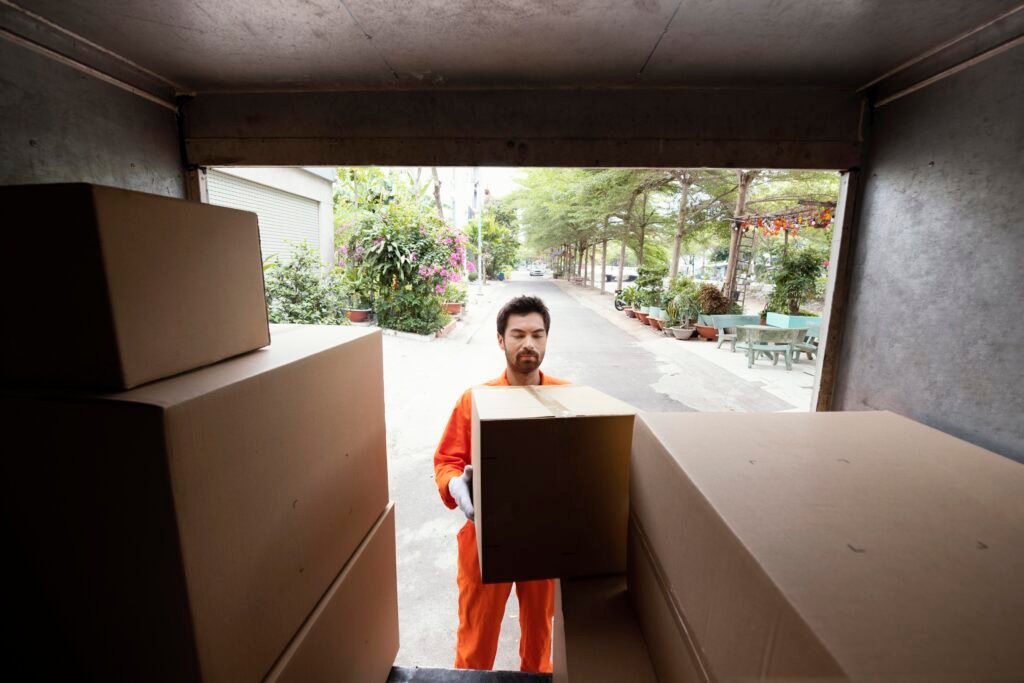
Once the sale closes, you still have to actually move out. A local move might only cost a few hundred dollars in truck rental and supplies. A long-distance move with a full-service company can run into the thousands. People plan for everything up to the closing table and then forget that moving day comes with its own bill.
Paying Off the Mortgage and Watching for Capital Gains
Whatever you still owe on your mortgage gets paid off at closing from the sale proceeds, along with any prepayment penalty your loan agreement might include. It’s also worth knowing about capital gains tax, though most homeowners who’ve lived in the property for at least two of the last five years qualify for an exclusion. A quick conversation with a tax professional before you sell can save you from a confusing surprise later.
The Cost of Just… Waiting
If your home sits on the market longer than you expected, you’re still covering the mortgage, property taxes, insurance, and utilities the whole time. People rarely budget for this, but it’s real. A home that takes an extra four months to sell could quietly add thousands of dollars to your total costs, just from keeping the lights on in a house you’re trying to leave.
A Few Ways to Keep Costs Down
You can’t avoid every expense, but you can soften the blow:
- Talk to a few agents about commission rates instead of accepting the first number you hear.
- Get more than one quote on repairs before committing.
- Handle decluttering and light staging yourself, and save the professional help for what actually needs it.
- Try to time your listing so it doesn’t sit through a slow season.
- Ask your agent for a full, honest breakdown of expected closing costs before you sign anything.
The Bottom Line
Selling a house is rarely as simple as agreeing on a price and signing some papers. Between commissions, closing costs, repairs, staging, and the move itself, the cost to sell a house adds up in ways that catch a lot of people off guard. Sitting down ahead of time and mapping out these numbers gives you a much more honest picture of what you’ll actually walk away with, and it makes the whole process a lot less stressful when the surprises stop being surprises.